قطعا در هر فضایی چه کلاس زبان باشد ، چه محیط دوستانه و چه فضای تعیین سطح و آزمون اسپیکینگ، این احتمال میرود که شما با یکی از این سوالها برخورد کنید.
Common Questions:
- What’s the first thing you do in the morning?
- Do you spend too much time on social media?
- How does social media make you feel?
- Do you follow any English learning accounts?
- Do you post often on social media?
- Do you ever worry about what people think of your posts?
- Do your parents or family use social media?
- Which app do you use the most?
- Have you ever had a really good experience online?
- How do you manage social media with work or study?
هدف این درس این است که بتونید:
- درباره عادتهای سوشال مدیا حرف بزنید
- نظر بدهید
- احساسهاتون رو بیان کنید
- مثال بزنید
- جوابهایتان را گسترش بدید (expand)
ساختارهای مکالمه
در زیر 10 ساختار پرکاربرد برای مکالمه در مورد سوشال مدیا (شبکه های اجتماعی) را برای شما آماده کرده ایم.
1. ساختار پایه: Talking about habits
Structure
Subject + adverb of frequency + verb
Examples
- I usually check social media in the evening.
- I often watch videos before bed.
- I rarely reply to every comment I get.
- I never post selfies in the morning.
- I sometimes watch English lessons on YouTube.
I sometimes ______ social media in the ______.
2. ساختار زمان و مقدار (Time & Quantity)
Structure
spend + time expression
Examples
- I spend about one hour a day on social media.
- I use social media for 30 minutes in the evening.
- I usually send messages to my friends for 5 minutes in the evening.
I _________ spend _______ minutes on social media in the morning.
عدد که بگی ؛ جوابت خفن تر میشه. ( میتونی از تکنیک قبلی هم استفاده کنی)
3. ساختار دلیل آوردن (Giving reasons)
Structure
because / to + verb
Examples
- I use social media because it helps me relax.
- I use it to stay in touch with my friends.
- I send funny videos to make my friends laugh.
- I share motivational posts to encourage my classmates.
بدون دلیل = جواب ناقص
4. ساختار نظر دادن (Giving opinions)
Structure
I think / In my opinion / I believe + sentence
Examples
- I think social media is useful.
- In my opinion, people spend too much time online.
-
- I believe social media can help us learn new things.
- I think posting photos can be fun.
- In my opinion, balance between online and offline life is important.
In my opinion, people ________.
حتی اگه بلد نیستن چی بگی، این طوری جملتو شروع کن.
5. ساختار مزایا و معایب
Structure
One advantage is… / However,…
Examples
- One advantage is that social media helps communication.
- However, it can be addictive.
- One advantage is that I can check the news quickly.
- However, it sometimes makes me feel stressed.
- One advantage is ________
همیشه good + but bad = جواب حرفهای تر میشه
6. ساختار احساسات (Talking about feelings)
Structure
feel + adjective / make + object + adjective
Examples
- I feel happy when I see positive posts.
- I feel relaxed when I watch videos in the evening.
- I feel tired when I scroll for too long.
happy / sad / tired / stressed / motivated / relaxed / excited / connected
I feel ________ when ________.
احساس = جواب انسانیتر = حرفه ای تر
7. ساختار مقایسه (Comparing lives)
Structure
compare… with… / seem + adjective
Examples
- People compare their lives with others.
- Other people’s lives seem perfect online.
- I compare my morning routine with my best friend’s routine.
- Some people’s houses seem bigger on Instagram.
- My family’s vacations seem perfect in photos.
Other people’s ________ seems ________.
8. ساختار تجربه شخصی (Personal experience)
Structure
Once / One time / Recently + past simple
Examples
- One time, I received a negative comment.
- Recently, I started setting time limits.
- Recently, I deleted some apps to focus better.
- Once, I watched 10 videos in a row by accident.
- Recently, I started commenting in English on posts.
Once, I____________________,
حتی تجربه ساده هم عالیه.
9. ساختار راهحل دادن (Giving solutions)
Structure
I try to / I started + -ing
Examples
- I try to limit my screen time.
- I started deleting some apps.
- I try to check my messages only twice a day.
- I try to follow positive accounts online.
- I started using a timer for my scrolling sessions.
I started commenting in English to practice.
I started ________ to improve my English.
10. ساختار نتیجهگیری کوتاه (Mini conclusion)
Structure
So / That’s why / In the end
- So + sentence → جمعبندی کوتاه
So, I think balance is important.
- That’s why + sentence → توضیح علت تصمیم یا رفتار
That’s why I don’t use social media too much.
- In the end + sentence → نتیجهگیری کلی
In the end, social media is useful if we use it wisely.
That’s why I ________.
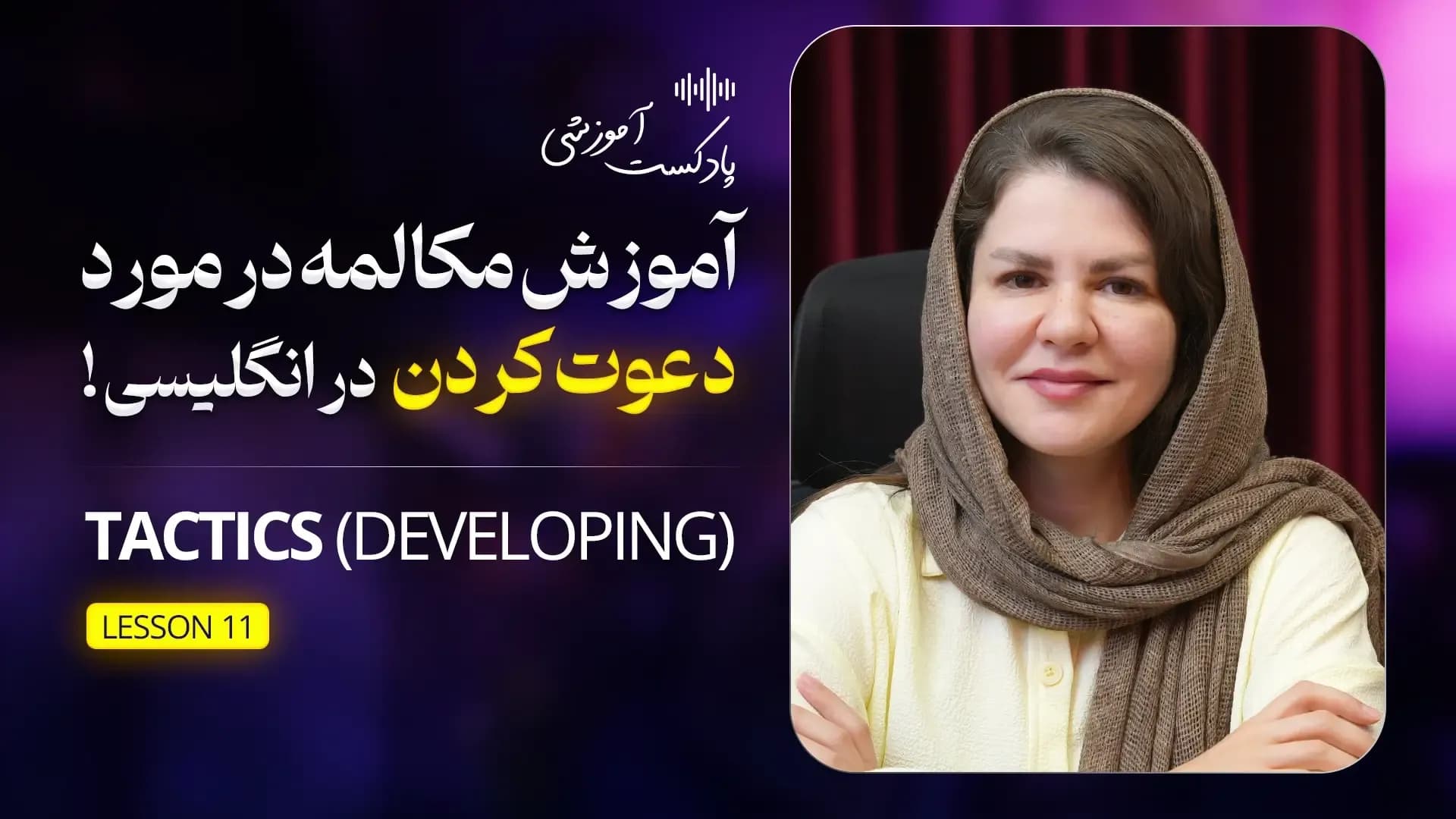
اینجا میتوانید یک پادکست آموزشی با همین موضوع را گوش دهید و متن انگلیسی پادکست را در زیر مرور کنید و سپس بعد از آن میتوانید نکاتی که تدریس داده شده اند را در این پادکست مرور کنید که در پایین اورده شده است.
متن پادکست:
Hello everyone and welcome back to Miss English channel. I’m Emily. It’s so good
to have you here again. Hi guys, I’m Paul. Thank you for tuning in. We help you practice real everyday
English and feel confident in real life. That’s right. And today’s topic is
something we all use every single day. Social media. Oh yes, the thing we check
before breakfast and after dinner. Sometimes even before brushing our teeth.
Guilty. I do that too. But seriously, social media is a big part of our daily
routine now. So, let’s talk about it in English. Great idea. If you’re listening right
now, please like and subscribe. It helps us a lot and keeps our little English
community growing. All right, let’s start with our daily social media routine. Paul, what’s the first thing
you do in the morning? H, honestly, I grab my phone and check
notifications, messages, news, and sometimes just random memes. What about
you, Emily? I usually open Instagram. I like seeing morning photos, sunlight, coffee,
breakfast plates. It makes me feel connected to people’s mornings. That’s true. Social media feels like a
digital window into everyone’s life. You can almost smell the coffee through the screen.
Exactly. But do you think we spend too much time scrolling?
Maybe. I read somewhere that the average person spends about 2 and 1/2 hours on social media every day. That’s a lot of
scrolling. Wow. 2 and 1/2 hours. Imagine what we could do with that time. Reading,
learning English, exercising, or calling a friend. Yes. But social media also helps us stay
updated. It’s like a digital town square. News, stories, friends, all in
one place. True. But sometimes it also affects how we feel. Have you ever noticed that?
Definitely. Sometimes I feel happy when I see positive posts, but other times I
feel a bit down, especially when people seem to have perfect lives. I get that, too. Social media can make
us compare our lives with others, even when we know it’s just a highlight reel.
Yeah, no one posts their bad hair days or boring evenings. It’s all smiles and sunsets.
But here’s something interesting. We can change how we use social media. We can
follow accounts that make us feel inspired instead of insecure.
Good point. I started following English learning pages. It’s like getting a mini lesson every time I scroll.
That’s great. Listeners, what about you? Do you follow English accounts? Try
searching for daily English phrases or learn English with fun.
And maybe follow some positive pages, too. There’s one I love. It posts simple
quotes like you are enough or one small step every day.
I love those. It’s like tiny drops of motivation in your feed. Now, let’s talk
about sharing our daily life online. Do you post often, Paul?
Not really. Maybe once or twice a week. Mostly food photos or travel pictures.
What about you? I like sharing moments, but only when I really feel something,
like a nice evening walk, a cozy coffee, or a sunset.
So, quality over quantity. That’s good. Some people post every meal, every step,
every thought. Yes. But sharing can also be meaningful.
For example, posting about learning something new can motivate others.
Exactly. Once I posted a short English sentence I learned that day. It’s never
too late to start. Many friends commented they felt encouraged. That’s the beauty of sharing. It can
inspire, connect, and spread positivity when used well. But sometimes it’s tricky. Do you ever
worry about what people think of your posts? Honestly, yes. Sometimes I write
something then delete it because I think what if it’s silly? Same here. We often overthink. But maybe
it’s okay to be real. That’s what makes us human. Exactly. Real life isn’t perfect. And
social media doesn’t need to be either. Speaking of real life, how about social media and family? Do your parents use it
much? Oh, yes. My mom loves Facebook. She sends me funny videos and heart emojis
every morning. That’s adorable. My dad recently joined Instagram. He posted one picture of his
cat with the caption, “Hello world.” Laughing. That’s so cute. Social media brings
families closer, even if we live far apart. True. I call my aunt through video on
Messenger every weekend. It feels like she’s right there with me. Social media can make distance feel
smaller. It’s like a digital bridge between hearts. That’s poetic, Emily. I love that. A
bridge between hearts, smiling. Maybe I’ll post that quote later. See, even this conversation could
become a post. You should. And tag me. Laughing. Deal. But here’s something interesting.
We all have our favorite apps. Paul, which one do you use the most? probably
YouTube. I watch English lessons, travel videos, and cooking channels. It’s both
fun and educational. YouTube is great for that. I love Pinterest for ideas, recipes, quotes,
and creative projects. So, you’re the creative one and I’m the hungry one.
Exactly. Everyone has an app that fits their lifestyle. What’s your favorite listeners?
Yes. Tell us in the comments which app do you use most, Instagram, Tik Tok, or
YouTube? And maybe think about why you use it for connection, learning, fun, or just to
relax. That’s a good question because sometimes the way we use social media shapes how
we feel each day. Absolutely. Coming up next, we’ll talk about the
good and bad experiences online, the lessons they teach us. Ooh, that sounds interesting. I have a
story to tell about that. I can’t wait to hear it. So, one time I commented on a travel
video saying, “Wow, this place looks amazing.” And someone replied, “It’s
just okay.” For a second, I felt a little hurt. Oh, that’s a classic
example. Even simple comments online can make us feel strange. Sometimes people
forget there’s a real person behind the screen. Exactly. But I learned something. Not everyone
will understand your tone or intention. So now I just smile and move on.
That’s the best way. Stay kind. Stay calm. Because online words can travel
faster than we think. Have you ever had a really good experience online?
Yes. Once I shared a photo of my English students and wrote, “So proud of their
progress.” A stranger commented, “This post made my day.” That small message
really touched me. That’s beautiful. One kind comment can
change your whole mood. It reminds us that the internet can spread kindness, too.
Exactly. It’s all about how we use it. We can choose to make the online world a
little brighter. And sometimes those moments online teach us about empathy. You never know what
someone is going through behind their posts. That’s so true. A happy photo might hide
a sad day. And a short message might carry a lot of emotion. I think the best thing we can do is use
social media to support, not judge. Even a small how are you can mean a lot.
I agree. That’s why I like to send quick messages to my friends sometimes. Just a
simple thinking of you today. I love that. It makes online connections
more human again. Exactly. And that brings us to something many people struggle with. Spending too
much time online. Oh yes, I’m guilty. Sometimes I just want to check one notification and
suddenly an hour disappears. Same here. I once opened Instagram for 5
minutes and ended up watching 30 videos about cooking.
I know that feeling. The internet is a time machine. You go in and time just
flies. But recently, I started doing something simple. I set small breaks, 15 minutes
of scrolling, then I stop. Does that actually work? Surprisingly, yes. I even feel lighter.
It helps me focus more on my real day, not just my online day. That’s smart. I tried deleting some apps
from my home screen. Out of sight, out of mind. Great trick. And when I want to relax, I
switch to music or go for a walk instead. Oh, that sounds peaceful. I
think I need that kind of balance, too. Balance is key. Social media can be fun,
but too much of it can make you tired inside. Yeah. Especially when we compare our
lives with others. Sometimes I see people traveling all the time and I
start thinking, why not me? Me too. But then I remind myself, social
media shows moments, not reality. We don’t see their bad days, only the
highlights. Exactly. I once posted a beach photo while I had a terrible cold that day.
Everyone commented, “You look so happy.” That’s a perfect example. Online life is
a little edited like a movie, right? But that’s okay if we understand it. It’s just important not to forget
our real life while scrolling through everyone else’s. Absolutely. And there are so many nice
things online, too. Recipes, English lessons, travel stories, inspiring
posts. That’s true. I actually learned how to make pancakes from a one minute video.
See, that’s the good side. Social media can teach you something new every day.
Speaking of learning, I follow some English accounts, too. They post short phrases like, “What’s up?” or that makes
sense. It’s quick and fun. That’s the best way to learn little by
little. You can practice just by reading comments and repeating short sentences.
Exactly. Sometimes I even comment back in English. It helps me use the words
naturally. That’s a great habit. And it’s something our listeners can do, too. Use social
media as a mini English classroom. Yeah. Every time you scroll, you can
learn one new word or phrase. That’s how you turn your daily routine into real progress. One scroll, one
word, one step forward. I like that. But you know what? People post the most about food. Everywhere I
look, coffee, sandwiches, desserts. Oh, yes. Food diaries. People love
sharing what they eat. It’s like a universal language. I saw a photo yesterday, just a
croissant on a wooden table with the caption, “Peaceful morning.” Simple but
nice. That’s what I love. Tiny details that tell a whole story. Even a photo of
lunch can feel poetic. And then there are weather posts. When it rains, everyone posts gray clouds or
windows with raindrops. True. or Monday blues when the week
starts. It’s funny, but we all understand those feelings. Yes, it shows we’re all connected in
small ways. A simple picture can say, “I feel like you today.”
That’s beautiful. Social media becomes a mirror of our shared emotions. And sometimes when I scroll through my
old photos, I realize how many little memories I’ve kept there. Same here. Old photos are like tiny time
capsules. You see your younger self smiling, dreaming, learning.
It’s strange, right? We forget moments until a photo reminds us, “Hey, that was
a good day.” Yes. And it teaches us to appreciate small things like a morning coffee, a
message from a friend, or even a walk in the rain. You’re right. It’s not just about
sharing. It’s about remembering. Exactly. And memories show us that even
ordinary days have meaning. And they also remind us to keep living those moments now, not just capturing
them for later. Well said, Paul. Maybe that’s what balance really means. Living online and
offline with awareness. Yeah. It’s not about quitting social media, it’s about using it wisely.
Right. And speaking of balance, how do you manage social media with work or
study? H sometimes I struggle during work breaks. I tell myself just 5 minutes,
but it turns into 15. That happens to all of us. I used to do
the same until I started setting little alarms. Oh, like reminders to stop scrolling.
Exactly. I set a timer for 15 minutes. When it rings, I close the app and
stretch or drink water. It really helps. That’s clever. I might try that tomorrow
because when I use social media too long, I lose focus on my studies.
Yes. And concentration is a muscle. You have to train it slowly, just like
language learning. True. Every time I focus better, I feel proud of myself. It’s a small victory
and that’s what matters. Small victories every day. You’re right. Social media can be part
of that growth if we use it with purpose. Exactly. And speaking of purpose, how do
you make that purpose stronger? Using social media for creativity, connection,
and learning. I love that. Let’s dive into that next. So Paul, when you think about using
social media with purpose, what comes to your mind first?
I think about creativity. Social media can be like an open stage.
You can write, draw, share, sing, teach, anything.
Exactly. It’s a space where your voice can reach people you’ve never met before. That’s something powerful.
Yes. like small creators who share English tips or art or travel stories.
They’re turning passion into connection. That’s true. I once followed a teacher
who shared one English word a day. Her posts were simple, but I learned so much
from her. And it’s free learning. You just open your feed and suddenly you’re studying
without feeling like you’re studying. That’s the magic of learning online. It feels light, natural, and part of
everyday life. I remember one time I learned the phrase, “Take it easy,” from a funny
meme. I didn’t even realize I was learning English.
That’s the best kind of learning, when you smile and understand something new at the same time.
But it’s not always easy. Sometimes social media can feel noisy. Too many
voices, too many opinions. I know what you mean. It can feel
overwhelming, like standing in a busy market with everyone shouting at once.
Yes. And that’s when I mute or unfollow some pages. It keeps my mind calm.
That’s smart. You’re choosing what kind of energy enters your head,
right? The more positive pages I follow, the better I feel. It’s like cleaning
your digital room. That’s a nice way to say it. Cleaning
your digital room. Everyone needs that sometimes. And you know what else helps? Setting an
intention before opening an app. Like, I’ll watch one English video or I’ll
send one kind message. That’s a great habit. It gives meaning to your time online. You’re not just
scrolling, you’re growing. That’s true. When I follow travel pages,
I write small English captions like, “I want to visit this place someday.” It
keeps my motivation high. And it’s great writing practice. You’re expressing yourself in English while
enjoying something you love. Exactly. It’s like mixing pleasure with
purpose. You know, this reminds me of one of my favorite phrases, progress, not
perfection. Oh, that’s a good one. It fits so well with social media and
learning both. Yes, because sometimes we feel pressure to post perfect photos or speak perfect
English. But real progress happens when we practice, not when we hide.
That’s so true. The first time I posted a video speaking English, I was terrified. I made mistakes. My accent
wasn’t perfect, but people were so kind. That’s amazing. You were brave enough to
share, and that’s what helps you improve faster. I think many learners fear judgment
online, but most people are just happy to see someone trying.
Exactly. Courage is contagious. When one person shares honestly, others feel
inspired to try, too. That’s the good side of the internet. It can spread confidence.
Yes. And that’s why we always say, don’t aim for perfect English. Aim for real
communication. That’s right. If people understand your message, that’s success already.
Speaking of communication, let’s talk about how social media connects us with friends and family.
Oh, yes. It’s funny how sometimes we talk more with distant friends online
than with neighbors next door. That’s so true. I message my cousin in
another country almost every week, but I barely talk to the neighbor across the street.
It shows how technology shrinks distance, but sometimes widens real
world space. That’s deep, Paul. But it’s also beautiful because now we can celebrate
birthdays, share moments, and comfort loved ones from far away. I remember
when my best friend moved abroad. For months, we stayed connected only through
Instagram messages and video calls. It made the distance feel smaller.
That’s heartwarming. Technology really helps us keep relationships alive.
Yes. But sometimes it can also make misunderstandings happen. Like when
someone doesn’t reply for a while. Oh yes. And then we start thinking, did
I say something wrong? Exactly. But then they reply, sorry, I
was just busy. And we realize it was nothing. That’s why we should never take
everything online too seriously. Real connection is still built offline through voice, laughter, and time.
True. But I think social media is like a bridge. It doesn’t replace relationships, but it helps us reach
each other faster. Beautifully said. A bridge. That’s exactly what it is.
You know, my mom sends me heart emojis every morning on Facebook. It’s her way
of saying good morning. Aw, that’s so sweet. My dad always
reacts to my posts with a thumbs up, even if it’s just a random photo of my shoes.
That’s adorable. Parents online are the best. They’re pure love in emoji form.
Yes. And that love reminds us that the simplest online habits can carry deep
feelings, right? It’s not about how many followers you have. It’s about the few people who
truly care. Exactly. The best notifications come from the heart, not the algorithm.
Nicely said, Emily. And speaking of algorithms, do you ever feel like your phone knows you too well?
Oh, yes. It’s scary. I talk about coffee once and suddenly every ad is about
coffee machines. Same here. It feels like my phone
listens to my thoughts. That’s another reason to take breaks. Even the brain needs silence from the
noise of recommendations. Absolutely. And silence helps us remember who we are without the
scrolling world around us. That’s so true. That’s when creativity returns. in quiet moments, not just in
notifications. You’re right. That’s when ideas grow. Maybe social media isn’t the problem.
It’s how we use it. Exactly. The tool itself is neutral. It
can distract or inspire depending on our choice. That’s the mindset we need. Social media
doesn’t control us. We control how it shapes our day. Yes. When you use it with awareness, it
becomes a friend, not a thief of time. And that awareness can help us learn,
connect, and even build better habits online. Absolutely. Up next, let’s explore how
we can balance all of this work, study, free time, and social media without
losing peace of mind. That’s a big one, but I’m ready. Let’s go there next. So Paul, let’s talk about
that balance. How to live well both online and offline. How do you handle it
in your daily life? I try to treat social media like dessert. It’s sweet, fun, but not
something I need every hour. I first finish my main meal, work, study,
exercise, then I enjoy a little scroll. I love that idea. Dessert for the mind.
Too much and it makes you tired. Just enough and it makes you smile.
Exactly. And sometimes I take full offline days. I turn off my phone, go
outside, or meet a friend in person. It feels like breathing fresh air after a
long flight. That’s so refreshing. I do something similar on weekends. I put my phone away
for a few hours and read a book or cook something new. It helps me feel real
again. Yes, because real life has smells, sounds, and touch. Things no screen can
give. That’s true. The sound of rain, the smell of coffee, or just laughter with
someone next to you. Those are the things that make life rich. But to be
fair, social media has also given us wonderful things, inspiration,
knowledge, and even jobs. Absolutely. Many people use it to share
their work, teach skills, or connect with clients. It can be a real
opportunity when used wisely. I remember watching a short video about
time management. It changed the way I organize my mornings. just one video,
but it made a difference. That’s the bright side. The internet gives us access to voices that inspire
us to grow, right? But it’s easy to get lost. So, I like to remind myself not everything
online deserves my attention. Well said. Attention is like currency.
Spend it on things that feed your soul. You always say it beautifully, Emily.
Maybe that’s why people love Miss English Channel. It’s social media that actually makes them feel better, not
worse. Thank you, Paul. That’s our goal. Learning English in a warm, human way.
And I think learning through conversation like this is special. It feels like listening to friends, not
teachers. Yes. because that’s how real language grows, through emotion, not pressure.
So, if our listeners want to practice English more naturally, they can use
social media wisely, follow pages that post short phrases, repeat them aloud,
and comment in English. Exactly. Like writing, “That’s amazing.”
or “I totally agree.” Small comments train your brain to react faster in
English. That’s such a useful trick. And it doesn’t even feel like studying,
right? That’s the secret. Make learning part of your daily rhythm. Even
scrolling can become a small English habit. You know, this makes me think of another
phrase. You are what you consume. It’s true for food and also for content. I
love that. Feed your mind good content, kindness, inspiration, knowledge, and
your thoughts will grow strong. Yes. And if something online makes you
feel anxious or sad, it’s okay to let it go. Unfollow, mute, protect your peace.
Exactly. You don’t need to see everything. You just need to see what helps you become your best self. I think
that’s the balance everyone’s looking for. A peaceful mind in a noisy world.
And that peace begins when you choose how to spend your time both online and
offline. Well said. I like to remind myself of three small rules. Use social media with
intention. Stay kind in every comment. And disconnect to reconnect.
That’s perfect. It’s not about quitting. It’s about caring for yourself and
others. Yes. And learning English is part of that self-care, too, because every new
word is a little victory for your mind. Beautifully said, Paul. Social media can
be a classroom, a diary, and a mirror. But it should never replace the real
world around us. True. Life happens outside the screen in
laughter, hugs, walks, and conversations like this. And when we bring what we learn online
back into real life, that’s when growth truly happens.
Exactly. Maybe that’s the best way to end today’s talk. Reminding ourselves
that social media is a tool, not a trap. Yes. Use it to learn, to share, to love,
but never forget to live. So, let’s give our listeners one small
challenge for today. Good idea. Everyone listening, take one
photo today, something simple that makes you happy, and write a short caption in
English. It could be, “Beautiful morning, my favorite drink, or feeling thankful.”
post it or just save it for yourself. That one small act turns your English
learning into a real part of your day. And it reminds you that progress is not
about perfection, but about presence. Exactly. One word, one post, one step.
That’s how confidence grows. You said it best, Emily. Every little effort adds up. So to everyone
listening, thank you for spending this time with us. Even if you remember just
one phrase today, you are already improving. And if you enjoyed this episode, don’t
forget to subscribe to Miss English channel. More warm and fun English stories are coming your way.
Comment below and tell us one phrase you’ll use today. Maybe use it wisely or
balance your time. Those are great ones. Until next time, keep learning, keep
smiling, and stay kind both online and offline.
Bye everyone. And remember, one small English habit today can change your
tomorrow. [Musi
حالا ازینجا نکاتی که در ویدیوی آموزشی مشاهده کردید رو میتونید در این پادکست مرور کنید:
1. ساختار زمان و دفعات (Frequency)
- “Sometimes even before brushing our teeth.” → نشاندهنده تکرار غیرمنظم فعالیت در طول روز است.
- “I usually open Instagram.” → بیان فعالیتی که معمولاً انجام میدهیم.
- “Maybe once or twice a week.” → بیان دفعات انجام یک کار در هفته.
- “I grab my phone and check notifications, messages, news, and sometimes just random memes.” → استفاده از frequency adverbs برای نشان دادن چند بار انجام دادن کارها.
2. ساختار زمان و مقدار (Time & Quantity)
- “The average person spends about 2 and 1/2 hours on social media every day.” → بیان مقدار زمان صرف شده.
- “Sometimes I just want to check one notification and suddenly an hour disappears.” → نشاندهنده زمانی که بدون کنترل سپری میشود.
- “I once opened Instagram for 5 minutes and ended up watching 30 videos about cooking.” → بیان مدت زمان و نتیجه آن.
- “I set small breaks, 15 minutes of scrolling, then I stop.” → استفاده از time expression برای محدود کردن زمان.
- “I set a timer for 15 minutes. When it rings, I close the app and stretch or drink water.” → کاربرد زمان و کنترل.
3. ساختار دلیل آوردن (Giving reasons)
- “It makes me feel connected to people’s mornings.” → دلیل چرا این کار را انجام میدهیم.
- “I started following English learning pages. It’s like getting a mini lesson every time I scroll.” → بیان دلیل مفید بودن یک کار.
- “Posting about learning something new can motivate others.” → دلیل اثرات مثبت روی دیگران.
- “Even a small ‘how are you’ can mean a lot.” → نشان میدهد چرا یک رفتار مهم است.
- “Using social media for creativity, connection, and learning.” → توضیح هدف استفاده از شبکه اجتماعی.
4. ساختار نظر دادن (Giving opinions)
- “Social media feels like a digital window into everyone’s life.” → بیان نظر شخصی درباره شبکههای اجتماعی.
- “Do you think we spend too much time scrolling?” → نظر شخصی و سؤال برای بحث.
- “Social media can make us compare our lives with others, even when we know it’s just a highlight reel.” → نظر درباره اثر شبکههای اجتماعی روی احساسات ما.
- “Social media can be fun, but too much of it can make you tired inside.” → بیان نظر و هشدار درباره مزایا و معایب.
- “Maybe social media isn’t the problem. It’s how we use it.” → نظر شخصی و تحلیل.
- “Social media doesn’t control us. We control how it shapes our day.” → نظر شخصی درباره قدرت کنترل روی زندگی دیجیتال.
5. ساختار مزایا و معایب (Advantages & Disadvantages)
- “One advantage is that social media helps us stay updated. News, stories, friends, all in one place.” → بیان یک مزیت واضح.
- “However, it sometimes makes us feel down, especially when people seem to have perfect lives.” → بیان معایب و اثرات منفی.
- “One advantage is that social media can teach you something new every day.” → مزیت آموزشی و یادگیری.
- “However, it can also make misunderstandings happen.” → معایب ارتباط آنلاین.
6. ساختار احساسات (Talking about feelings)
- “Sometimes I feel happy when I see positive posts, but other times I feel a bit down.” → بیان احساسات متغیر نسبت به محتوا.
- “It makes me feel connected to people’s mornings.” → تاثیر شبکه اجتماعی روی احساس ارتباط.
- “For a second, I felt a little hurt.” → نشان دادن احساس منفی لحظهای.
- “That small message really touched me.” → بیان احساس مثبت از تعامل آنلاین.
- “I feel lighter.” → بیان احساس راحتی بعد از کنترل استفاده از شبکهها.
- “Social media can make distance feel smaller. It’s like a digital bridge between hearts.” → توصیف احساس ارتباط نزدیک با خانواده و دوستان.
7. ساختار مقایسه (Comparing lives)
- “Social media can make us compare our lives with others, even when we know it’s just a highlight reel.” → بیان اثر مقایسهای شبکههای اجتماعی.
- “Sometimes I see people traveling all the time and I start thinking, why not me?” → مقایسه شخصی با دیگران.
- “We don’t see their bad days, only the highlights.” → مقایسه واقعیت و ظاهر آنلاین.
8. ساختار تجربه شخصی (Personal experience)
- “Once I posted a short English sentence I learned that day.” → تجربه شخصی فعالیت آموزشی آنلاین.
- “One time I commented on a travel video saying, ‘Wow, this place looks amazing.’ And someone replied, ‘It’s just okay.’” → تجربه شخصی احساسات منفی آنلاین.
- “Yes. Once I shared a photo of my English students and wrote, ‘So proud of their progress.’” → تجربه شخصی احساس مثبت از اشتراکگذاری.
- “I once opened Instagram for 5 minutes and ended up watching 30 videos about cooking.” → تجربه وقتگذرانی بیش از حد آنلاین.
- “I once posted a beach photo while I had a terrible cold that day.” → تجربه شخصی ویرایش واقعیت آنلاین.
- “I once followed a teacher who shared one English word a day.” → تجربه یادگیری آنلاین.
- “I remember one time I learned the phrase, ‘Take it easy,’ from a funny meme.” → تجربه شخصی یادگیری طبیعی.
9. ساختار راهحل دادن (Giving solutions)
- “We can follow accounts that make us feel inspired instead of insecure.” → راهحل انتخاب محتوا مثبت.
- “I started following English learning pages.” → راهحل استفاده آموزشی از شبکه اجتماعی.
- “I try to treat social media like dessert.” → راهحل محدود کردن زمان استفاده.
- “I set small breaks, 15 minutes of scrolling, then I stop.” → راهحل کنترل زمان و مدیریت تمرکز.
- “I tried deleting some apps from my home screen.” → راهحل حذف وسواس آنلاین.
- “I set a timer for 15 minutes. When it rings, I close the app and stretch or drink water.” → راهحل عملی کنترل استفاده.
- “When I follow travel pages, I write small English captions like, ‘I want to visit this place someday.’” → راهحل ترکیب یادگیری و سرگرمی.
10. ساختار نتیجهگیری کوتاه (Mini conclusion)
- “In the end, social media is useful if we use it wisely.” → جمعبندی خلاصه مزایا و رفتار درست.
- “Social media can be a classroom, a diary, and a mirror. But it should never replace the real world around us.” → جمعبندی مزایا و محدودیتها.
- “Social media is a tool, not a trap. Use it to learn, to share, to love, but never forget to live.” → جمعبندی پیام اخلاقی و عملی.
- “One small act turns your English learning into a real part of your day.” → جمعبندی تشویق به عمل کوچک روزانه.
- “One word, one post, one step. That’s how confidence grows.” → جمعبندی پیام تشویقی برای اعتماد به نفس و تکرار عملی.




 استاد الهام لواسانی



دیدگاهها(۵)
مژگان نایینی
۲۵ اردیبهشت ۱۴۰۵
یک دنیا. سپاس ممنون از وقتی که سخاوتمندانه میگزارید
عابدی
۲۵ اسفند ۱۴۰۴
عالی بود استاد ممنون میشم اگه از این سبک باز هم برامون بذارید
Shirinkhoshi
۵ اسفند ۱۴۰۴
💖💖🙏🙏🙏🙏
شقایق لاجوردی
۲ اسفند ۱۴۰۴
ممنون میشم لینک دانلود پادکست هم بزارید 🙏🏻🙏🏻🙏🏻
آکادمی الی انگلیشپاسخ آکادمی
۲ اسفند ۱۴۰۴
درود و احترام بر شما، لینک دانلود اضافه شد.
فاطمه سادات نقوی
۲ اسفند ۱۴۰۴
سلام.. متاسفانه دیشب نتونستم تو لایو شرکت کنم ولی الان که دیدم در سایت قرار دادید خوشحال شدم. بی نهایت از مهر و عشق شما ممنون و سپاسگزارم..مثل همیشه جامع و کامل هست ..خدا پشت و پناه شما و تیم تون باشه۰
سؤال یا نظری دربارهی این مطلب داری؟ وارد شو و بنویس