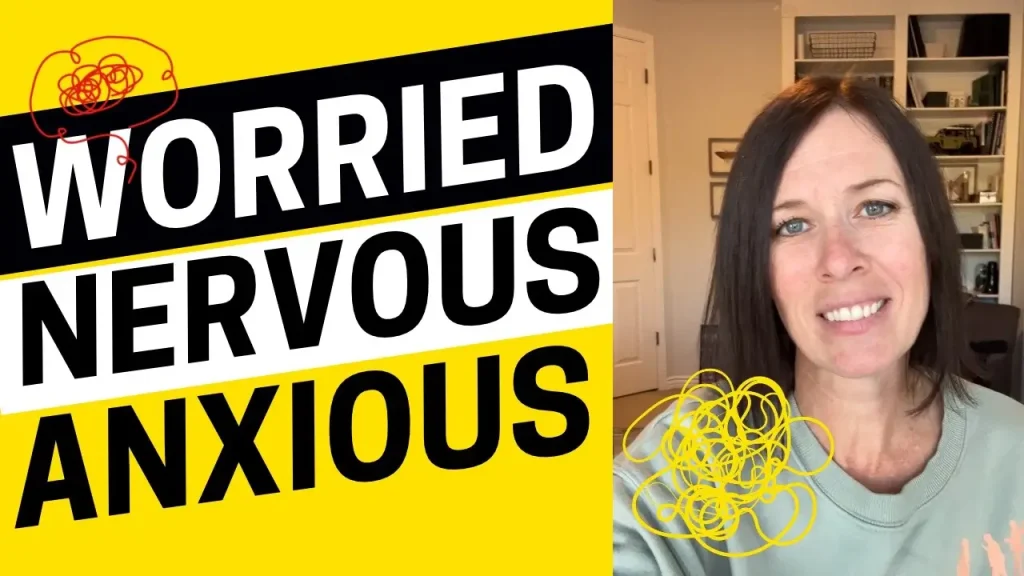
نگران، عصبی، مضطرب! تفاوتش چیه؟ – آموزش زبان انگلیسی با پادکستهای All Ears English
کلمات worried، nervous و anxious در فارسی معمولاً با معنیهایی مثل «نگران»، «مضطرب» یا «استرسی» ترجمه میشوند؛ اما در انگلیسی دقیقاً یک کاربرد ندارند. تفاوت آنها بیشتر به این برمیگردد که آیا دربارهی یک احساس موقتی صحبت میکنیم، یک نگرانی مشخص داریم، یا میخواهیم بخشی از شخصیت و حالت عمومی یک نفر را توصیف کنیم.
در این درس با Lindsay و Aubrey همراه میشویم تا ببینیم چرا جملهی I’m a worried person طبیعی نیست، چه زمانی باید از I’m worried استفاده کنیم و چه تفاوتی بین anxious و nervous وجود دارد. در کنار این موضوع، چند عبارت طبیعی مثل worry about، tend to worry، rub off on someone و jump to conclusions را هم یاد میگیریم.
درباره این پادکست
| موضوع | Worried, Nervous, or Anxious? What’s the Difference? |
|---|---|
| سطح پیشنهادی | B1 – B2 (Intermediate to Upper-Intermediate) |
| مهارت اصلی | Listening + Vocabulary + Speaking |
| تمرکز زبانی | Worried vs Nervous vs Anxious + Natural Chunks |
| گویندهها | Lindsay & Aubrey |
چطور از این درس استفاده کنیم؟
- مرحله اول – گوش دادن بدون متن: یک بار ویدئو را بدون Transcript گوش دهید و ببینید چند بار کلمات worried, anxious, nervous را تشخیص میدهید.
- مرحله دوم – گوش دادن همراه متن: بار دوم به جملههای قبل و بعد از این کلمات دقت کنید. آیا گوینده دربارهی یک موقعیت مشخص صحبت میکند یا دربارهی شخصیت یک نفر؟
- مرحله سوم – ساختارها را یاد بگیرید: به جای حفظ کردن معنی کلمه، عبارتهایی مثل worried about something، an anxious person و get nervous before… را تمرین کنید.
- مرحله چهارم – Speaking: دربارهی موقعیتهایی صحبت کنید که معمولاً شما را نگران یا مضطرب میکنند.
- مرحله پنجم – Shadowing: جملههای منتخب انتهای مقاله را همراه با فایل اصلی چند بار تکرار کنید.
در این درس چه چیزهایی یاد میگیریم؟
- چرا I’m a worried person طبیعی نیست
- تفاوت I’m worried و I’m a worrier
- کاربرد worried about + noun
- ساختار worried that + clause
- تفاوت worried, nervous, anxious
- چطور دربارهی یک ویژگی شخصیتی صحبت کنیم
- عبارتهای کاربردی مثل tend to worry, rub off on someone, stress over, overreact, jump to conclusions
- تمرین Listening، Speaking و Shadowing
متن مکالمه و ترجمه فارسی (Transcript)
Part 1 — Talking about anxiety and nervousness
Aubrey: Hello, Lindsay. How are you today?
Lindsay: Good, Aubrey. Not feeling too, too nervous today. What about you? Are you anxious today?
Aubrey: No, I’m not normally a very anxious, nervous person. What about you, Lindsay?
Lindsay: In general, I am. Since I had a kid about six months ago, I’ve become a little more nervous. I guess it definitely taps into your anxiety.
Aubrey: Oh, for sure. You have so much more to be worried about, so much more to stress over.
Lindsay: And you recently went on a trip and took the baby, right? Travel can have a lot of anxiety about things happening, things going wrong. It’s harder with a baby.
Aubrey: Oh, it’s harder. I think I hadn’t heard a scream at the level that we heard until now when he was hungry.
ترجمه فارسی
آبری: سلام لیندزی. امروز چطوری؟
لیندزی: خوبم. امروز خیلی خیلی عصبی یا مضطرب نیستم. تو چطور؟ امروز اضطراب داری؟
آبری: نه، من معمولاً آدم خیلی مضطرب یا عصبیای نیستم. تو چطور؟
لیندزی: من در کل یکم اینطوری هستم. از وقتی حدود شش ماه پیش بچهدار شدم، کمی مضطربتر شدم. فکر کنم بچهدار شدن واقعاً میتونه اضطراب آدم رو بیشتر کنه.
آبری: قطعاً. چیزهای خیلی بیشتری برای نگرانی داری و موضوعات بیشتری هست که ممکنه بابتشون استرس داشته باشی.
لیندزی: اخیراً هم با بچه سفر رفتی، درسته؟ وقتی با بچه سفر میکنی نگرانی درباره اینکه چه اتفاقی ممکنه بیفته یا چه چیزی ممکنه خراب بشه خیلی بیشتره.
آبری: دقیقاً. سفر با بچه خیلی سختتره.
عبارت مهم: stress over something یعنی بابت چیزی استرس داشتن یا بیش از حد درگیر آن شدن.
Part 2 — The common mistake: “I’m a worried person”
Lindsay: That’s what we’re getting into today: anxiety, being anxious, being nervous. Tell us about this topic today.
Aubrey: We’ve heard a common student error. That is to say, “I’m a worried person,” which makes sense because we just say, “I’m worried,” right? So why can’t we say, “I’m a worried person?”
This is a common mistake. When we say it this way, it sounds like we’re describing a personality trait. But worried isn’t a word that describes someone’s character or identity. It just describes their current feeling or state. They feel something bad will happen.
Lindsay: Right. So you can say, “I’m worried.” Or you could say, “I’m a worrier.” That’s more talking about your personality. If you’re a person who is often worried and tends to worry, you can say that.
ترجمه فارسی
لیندزی: موضوع امروز دقیقاً همینه: anxiety، anxious و nervous.
آبری: یکی از اشتباههای رایج زبانآموزها اینه که میگن I’m a worried person. از نظر منطقی شاید درست به نظر برسه، چون میگیم I’m worried. پس چرا نتونیم بگیم «من آدم نگرانی هستم»؟
مشکل اینه که وقتی میگیم I’m a worried person، انگار داریم یک ویژگی ثابت شخصیتی رو توصیف میکنیم، در حالی که worried معمولاً شخصیت یا هویت فرد رو توصیف نمیکنه؛ فقط یک احساس یا وضعیت فعلیه. یعنی الان احساس میکنی ممکنه اتفاق بدی بیفته.
لیندزی: بنابراین میتونی بگی I’m worried. ولی اگر میخوای درباره شخصیتت صحبت کنی، میتونی بگی I’m a worrier. یعنی کسی هستی که معمولاً زیاد نگران میشی.
نکته کلیدی این درس:
✅ I’m worried.
الان نگرانم.
✅ I’m a worrier.
من کلاً آدمی هستم که زیاد نگران میشم.
✅ I tend to worry a lot.
من معمولاً زیاد نگران میشم.
❌ I’m a worried person.
برای توصیف شخصیت، طبیعی نیست.
Part 3 — Worried is usually a current feeling
Aubrey: You can say, “I am worried” in that given moment, and then you’re going to give a little bit more context. “I’m worried about my test.” Or, “Our cat is missing. We’re really worried.”
The worry is happening in a specific moment. It won’t last forever. It’s not an aspect of your personality. You’re worried in this moment about something.
Lindsay: So it’s something specific. It’s not a general feeling. It’s not a character trait. It’s not how you are. It’s how you are in that moment.
Aubrey: Exactly.
ترجمه فارسی
آبری: میتونی بگی I am worried وقتی در یک لحظه مشخص نگران هستی، و معمولاً بعدش توضیح میدی دربارهی چی نگران هستی. مثلاً:
I’m worried about my test.
نگران امتحانم هستم.
یا:
Our cat is missing. We’re really worried.
گربهمون گم شده. واقعاً نگرانیم.
این نگرانی مربوط به یک موقعیت مشخصه و قرار نیست برای همیشه ادامه داشته باشه. بخشی از شخصیت فرد نیست.
لیندزی: پس درباره یک چیز مشخص صحبت میکنیم، نه یک ویژگی دائمی شخصیت.
Part 4 — Worried about + noun
Lindsay: What’s up? You seem worried.
Aubrey: Oh, I am. My tooth hurts. I’m worried that I have a cavity.
Lindsay: So this is in the moment. This doesn’t make you a person who is prone to anxiety.
Aubrey: We could also be worried about a noun or a situation. For example, I worry or am worried about my kids, money, the future, my job—all those things.
ترجمه فارسی
لیندزی: چی شده؟ به نظر نگران میای.
آبری: آره، هستم. دندونم درد میکنه. نگرانم که شاید پوسیدگی داشته باشم.
لیندزی: این نگرانی مربوط به همین موقعیته و به این معنی نیست که تو ذاتاً آدم مضطربی هستی.
آبری: همچنین میتونیم بگیم دربارهی یک چیز یا یک موقعیت نگران هستیم؛ مثلاً بچههام، پول، آینده یا شغلم.
ساختار مهم: Worried about
be worried about + noun / situation
I’m worried about my exam.
She’s worried about her kids.
We’re worried about money.
He’s worried about the future.
Part 5 — Worried that + clause
Aubrey: We can also say “worried that,” followed by a clause about the specific situation.
For example, “She’s worried that it’ll rain on her wedding day.”
Or, “They’re worried that their son won’t get into a good college.”
Lindsay: And for both of these, you could drop “that.” You could say, “She’s worried it’ll rain on her wedding day.”
ترجمه فارسی
آبری: یک ساختار دیگه worried that هست و بعد از اون یک جمله کامل میاد.
مثلاً:
She’s worried that it’ll rain on her wedding day.
نگرانه که روز عروسیش بارون بیاد.
یا:
They’re worried that their son won’t get into a good college.
نگرانن که پسرشون نتونه وارد دانشگاه خوبی بشه.
لیندزی: در مکالمه طبیعی حتی میتونیم that رو حذف کنیم:
She’s worried it’ll rain.
Part 6 — Worry as a verb
Lindsay: We can also use the word worry in the verb form: to worry.
Aubrey: Exactly. For example: “What is something you worry about?”
Lindsay: I often worry about finding a new home, a new place to live, and having more space for the baby.
Aubrey: So that’s the active form of the verb. “What do you worry about?” instead of “What is something you are worried about?”
ترجمه فارسی
لیندزی: خودِ worry میتونه فعل هم باشه.
آبری: مثلاً میتونیم بپرسیم:
What do you worry about?
معمولاً بابت چه چیزی نگران میشی؟
لیندزی: من معمولاً درباره پیدا کردن خونه جدید و داشتن فضای بیشتر برای بچه نگران میشم.
آبری: اینجا worry فعل جمله است.
Part 7 — Worrier and worry wart
Aubrey: If you’re a person who worries a lot, you can say, “I’m a worrier.”
Lindsay: My dad used to use the phrase “worry wart.” He would say, “Don’t be a worry wart.”
Aubrey: That’s a fun expression, although it’s a little dated now. This is where it is more of a character trait—someone who worries a lot.
Instead of saying, “I’m a worried person,” we’d say, “I’m a worrier” or “I tend to worry a lot.”
ترجمه فارسی
آبری: اگر معمولاً خیلی نگران میشی، میتونی بگی:
I’m a worrier.
لیندزی: پدر من از عبارت worry wart استفاده میکرد و میگفت:
Don’t be a worry wart.
اینقدر نگران همه چیز نباش.
آبری: این عبارت کمی قدیمیتره، ولی worrier برای صحبت دربارهی ویژگی شخصیتی خیلی طبیعیه.
پس به جای I’m a worried person بهتره بگیم:
I’m a worrier.
یا
I tend to worry a lot.
Part 8 — What does anxious mean?
Lindsay: What else could we say about someone’s personality?
Aubrey: We could also say that someone’s an anxious person. That’s someone who has ongoing or frequent feelings of worry or anxiety.
This is a deeper meaning than worry. It’s more internal, more ongoing and persistent—that feeling of unease.
Lindsay: Worry is the less serious of these words.
Aubrey: The word anxious is more flexible than worried. You can use it to talk about a current feeling or state or as a personality trait.
You could say, “I’m anxious about the meeting.” “She’s feeling anxious.” Or you could say, “I’m an anxious person.”
ترجمه فارسی
لیندزی: برای توصیف شخصیت یک نفر چه چیز دیگهای میتونیم بگیم؟
آبری: میتونیم بگیم an anxious person. یعنی کسی که احساس نگرانی و اضطراب رو به شکل مداوم یا مکرر تجربه میکنه.
anxious معمولاً حس عمیقتر، درونیتر و ماندگارتری نسبت به worried داره.
لیندزی: در مقایسه با این کلمات، worry معمولاً سطح خفیفتری داره.
آبری: نکته مهم اینه که anxious از worried انعطافپذیرتره. هم میتونه احساس موقتی رو توصیف کنه و هم ویژگی کلی فرد رو.
I’m anxious about the meeting.
برای جلسه مضطربم.
She’s feeling anxious.
احساس اضطراب میکنه.
I’m an anxious person.
من کلاً آدم مضطربی هستم.
Part 9 — What does nervous mean?
Lindsay: A nervous person is someone who gives off that nervous energy. They might look noticeably uncomfortable. They might bite their nails, for example.
Aubrey: Often you can see the signs of nervousness. And this isn’t always a personality trait either. This might be the situation.
If you have to give a speech, you might say you feel nervous. You wouldn’t necessarily say you feel anxiety. It’s more about a specific situation: “I’m just feeling nervous right now.”
Lindsay: Nervous is less about a specific worry and more about the overall energy.
ترجمه فارسی
لیندزی: وقتی میگیم کسی nervous است، معمولاً نوعی انرژی و بیقراری در رفتارش دیده میشه. مثلاً ممکنه ناخنهاش رو بجوه یا مشخص باشه که راحت نیست.
آبری: معمولاً نشانههای nervous بودن قابل مشاهدهاند. ولی این هم الزاماً یک ویژگی شخصیتی نیست و میتونه فقط مربوط به یک موقعیت خاص باشه.
مثلاً اگر قراره جلوی جمع سخنرانی کنی، خیلی طبیعیتره بگی:
I’m nervous.
یعنی همین الان به خاطر این موقعیت خاص عصبی یا مضطربم.
لیندزی: Nervous بیشتر حس کلی بیقراری و تنش در یک موقعیته، نه لزوماً نگرانی دربارهی یک موضوع مشخص.
Worried، Nervous و Anxious چه فرقی دارند؟
| Word | کاربرد اصلی | Example |
|---|---|---|
| worried | نگرانی درباره یک موضوع یا اتفاق مشخص؛ معمولاً موقتی | I’m worried about my exam. |
| nervous | تنش، بیقراری یا استرس در یک موقعیت مشخص؛ گاهی نشانههای فیزیکی دارد | I’m nervous about my presentation. |
| anxious | احساس عمیقتر یا مداومتر نگرانی؛ میتواند حالت موقتی یا ویژگی کلی فرد باشد | I’m an anxious person. |
خلاصه ساده:
Worried → دربارهی چیزی مشخص نگرانم.
Nervous → در یک موقعیت خاص استرس و بیقراری دارم.
Anxious → احساس اضطراب عمیقتر یا مداومتر دارم.
Part 10 — Physical signs of nervousness
Aubrey: There can be different signs of nervousness. You might be fidgety, moving your leg when you’re sitting, avoiding eye contact or speaking awkwardly.
Lindsay: But that might not be the case in other cultures. Different cultures can have different signs.
Aubrey: Some cultures might not make as much eye contact and it might have nothing to do with whether a person’s nervous or not.
Lindsay: If I am nervous, I’ll sometimes get a tremor in my hands.
Aubrey: When I’m nervous, sometimes I forget to swallow and the words come out weird. It affects the way the words come out and I have to start over.
ترجمه فارسی
آبری: نشانههای فیزیکی nervous بودن میتونن متفاوت باشن؛ مثلاً بیقرار بودن، تکون دادن پا، کمتر تماس چشمی داشتن یا کمی نامنظم صحبت کردن.
لیندزی: البته این نشانهها میتونن بین فرهنگهای مختلف فرق داشته باشن.
آبری: مثلاً در بعضی فرهنگها تماس چشمی کمتر کاملاً عادیه و هیچ ارتباطی با nervous بودن نداره.
لیندزی: وقتی من عصبی میشم، گاهی دستهام کمی میلرزن.
آبری: من هم بعضی وقتها وقتی nervous هستم حتی قورت دادن آب دهان رو فراموش میکنم و روی نحوه حرف زدنم تأثیر میذاره.
Part 11 — The role play: worried, nervous and anxious together
Lindsay: I’m worried about Claire. We have that big test coming up. We were supposed to study together, but she never called me back.
Aubrey: Are you sure it’s something worth worrying about? She does like her space, and she’s pretty bad at communication.
Lindsay: True, true. Plus, she’s done this before.
Aubrey: She gets nervous before a big exam. She could just be hibernating and cramming.
Lindsay: I get that. And I know I’m an anxious person in general. Hopefully, I’m just overreacting.
Aubrey: I have class with her today. I can let you know if she shows up and tell her to call you.
ترجمه فارسی
لیندزی: نگران Claire هستم. یک امتحان بزرگ داریم و قرار بود با هم درس بخونیم، ولی هیچوقت بهم زنگ نزد.
آبری: مطمئنی واقعاً موضوعیه که ارزش نگرانی داشته باشه؟ اون معمولاً دوست داره تنها باشه و در برقراری ارتباط هم خیلی خوب نیست.
لیندزی: درسته. قبلاً هم این کار رو کرده.
آبری: اون قبل از امتحانهای بزرگ nervous میشه. شاید فقط خودش رو از بقیه جدا کرده و داره شدید درس میخونه.
لیندزی: میفهمم. خودم هم میدونم که در کل an anxious person هستم. امیدوارم فقط دارم بیش از حد واکنش نشون میدم.
آبری: امروز باهاش کلاس دارم. اگر اومد، بهت خبر میدم و بهش میگم باهات تماس بگیره.
چرا در Role Play هر سه کلمه درست هستند؟
I’m worried about Claire.
یک نگرانی مشخص درباره Claire وجود دارد.
She gets nervous before a big exam.
در یک موقعیت مشخص یعنی قبل از امتحان، بیقرار و مضطرب میشود.
I’m an anxious person in general.
اینجا دربارهی شخصیت و حالت عمومی فرد صحبت میکنیم.
لغات و عبارتهای مهم پادکست (Key Vocabulary & Expressions)
1. Be worried about
Meaning: To feel concerned about a particular person, thing or situation.
معنی: دربارهی شخص یا موضوع مشخصی نگران بودن.
I’m worried about my exam tomorrow.
2. Worrier
Meaning: A person who worries a lot.
معنی: کسی که معمولاً زیاد نگران میشود.
I’m a bit of a worrier.
3. Tend to worry
Meaning: To usually or often become worried.
معنی: معمولاً تمایل داشتن که نگران شویم.
I tend to worry about small things.
4. Stress over something
Meaning: To spend a lot of time feeling stressed or worried about something.
معنی: بابت چیزی استرس داشتن و زیاد درگیرش شدن.
Don’t stress over things you can’t control.
5. Rub off on someone
Meaning: When someone’s feeling or behaviour starts affecting another person.
معنی: احساس یا رفتار یک نفر روی فرد دیگری تأثیر گذاشتن.
Her anxiety started to rub off on me.
6. Prone to
Meaning: Likely to experience or do something.
معنی: مستعد یا دارای تمایل به چیزی بودن.
He’s prone to worrying before exams.
7. Ongoing
Meaning: Continuing for a period of time.
معنی: مداوم، ادامهدار.
She has ongoing feelings of anxiety.
8. Persistent
Meaning: Continuing for a long time and not easily going away.
معنی: مداوم و پایدار.
He had a persistent feeling of unease.
9. Fidgety
Meaning: Unable to stay still, often because of nervousness or restlessness.
معنی: بیقرار و دائم در حال حرکت.
I get fidgety when I have to sit for a long time.
10. Overreact
Meaning: To react more strongly than the situation requires.
معنی: بیش از حد واکنش نشان دادن.
Maybe I’m just overreacting.
11. Jump to conclusions
Meaning: To decide what is true before having enough information.
معنی: زود نتیجهگیری کردن بدون داشتن اطلاعات کافی.
Try not to jump to conclusions.
12. Cram
Meaning: To study a lot in a short period, usually before an exam.
معنی: فشرده و شدید درس خواندن، معمولاً درست قبل از امتحان.
I stayed up late cramming for the exam.
عبارتهای آماده مکالمه (Useful Chunks)
I’m worried about…
کاربرد: برای صحبت درباره یک نگرانی مشخص.
I’m worried about my job interview.
I’m worried that…
کاربرد: وقتی بعد از نگرانی یک جمله کامل میآید.
I’m worried that I’ll be late.
I tend to worry a lot.
معنی: من معمولاً زیاد نگران میشوم.
I tend to worry a lot before important meetings.
I’m a bit of a worrier.
معنی: من یکم آدم نگران و دلواپسی هستم.
I’m a bit of a worrier when it comes to my kids.
I’m anxious about…
معنی: دربارهی … اضطراب دارم.
I’m anxious about the meeting tomorrow.
I get nervous before…
معنی: قبل از … عصبی یا مضطرب میشوم.
I get nervous before presentations.
Is it worth worrying about?
معنی: واقعاً ارزش نگرانی دارد؟
Are you sure it’s something worth worrying about?
Maybe I’m just overreacting.
معنی: شاید دارم بیش از حد واکنش نشان میدهم.
Hopefully, I’m just overreacting.
اشتباه رایج زبانآموزها
| Sentence | طبیعی؟ | توضیح |
|---|---|---|
| I’m worried. | ✅ | الان نگرانم. |
| I’m worried about the test. | ✅ | نگرانی مشخص دربارهی امتحان. |
| I’m a worried person. | ❌ | برای توصیف شخصیت طبیعی نیست. |
| I’m a worrier. | ✅ | من معمولاً زیاد نگران میشوم. |
| I’m an anxious person. | ✅ | برای توصیف یک حالت یا ویژگی عمومی قابل استفاده است. |
| I’m a nervous person. | ✅ | برای کسی که معمولاً nervous energy دارد قابل استفاده است. |
سوالات درک مطلب (Listening Quiz)
1. Why is “I’m a worried person” unnatural?
A) Because worried is only a verb
B) Because worried usually describes a current state, not a personality trait
C) Because worried is too formal
✅ Answer: B) Because worried usually describes a current state, not a personality trait
2. What can you say instead of “I’m a worried person”?
✅ Answer: I’m a worrier. / I tend to worry a lot.
3. Which word is described as more ongoing and persistent?
A) Worried
B) Anxious
C) Happy
✅ Answer: B) Anxious
4. What might be a physical sign of nervousness?
✅ Answer: Fidgeting, shaking hands, biting nails, moving your leg, or speaking awkwardly.
5. What does “worry rubs off on you” mean?
✅ Answer: Another person’s worry starts affecting you and making you worried too.
6. Why does Lindsay say “I’m an anxious person in general” in the role play?
✅ Answer: Because she is describing a general tendency or personality trait, not only a temporary feeling.
تمرین مکالمه (Speaking Practice)
با استفاده از عبارتهای این درس، به سوالات زیر پاسخ دهید:
- What are you usually worried about?
- Do you consider yourself a worrier?
- What situations make you nervous?
- Do you get nervous before exams or presentations?
- What physical signs do you notice when you’re nervous?
- Would you describe yourself as an anxious person?
- Has someone else’s worry ever rubbed off on you?
- Do you sometimes overreact when you’re worried?
- Do you tend to jump to conclusions?
- What helps you feel calmer when you’re nervous or anxious?
Sample Answer
I wouldn’t say I’m an anxious person in general, but I definitely tend to worry about certain things. For example, I’m often worried about work when I have an important deadline. I also get nervous before presentations because I don’t like speaking in front of a large group. When I’m nervous, I sometimes speak too fast. Usually, once I start talking, I calm down and realize I was probably overreacting.
تمرین تلفظ و شدوئینگ (Shadowing Practice)
برای تقویت Listening، Pronunciation و Fluency این مراحل را انجام دهید:
- ابتدا جمله را یک بار بدون تکرار گوش دهید.
- بار دوم متن را دنبال کنید و به Stress و Intonation دقت کنید.
- بعد از گوینده جمله را تکرار کنید.
- در مرحله بعد همزمان با گوینده صحبت کنید.
- بعد جمله را تغییر دهید و دربارهی خودتان بسازید.
Practice Sentences
I’m worried about my test.
Our cat is missing. We’re really worried.
I’m a worrier.
I tend to worry a lot.
I’m anxious about the meeting.
I’m an anxious person in general.
She gets nervous before a big exam.
Maybe I’m just overreacting.
Are you sure it’s something worth worrying about?
مرور سریع عبارتهای این درس
I’m worried. → الان نگرانم
be worried about → درباره چیزی نگران بودن
worried that… → نگران بودن که اتفاقی بیفتد
I’m a worrier. → من معمولاً زیاد نگران میشوم
I tend to worry a lot. → معمولاً زیاد نگران میشوم
an anxious person → فردی که معمولاً اضطراب بیشتری دارد
get nervous → عصبی / مضطرب شدن
stress over something → بابت چیزی استرس داشتن
rub off on someone → روی کسی تأثیر گذاشتن
prone to → مستعد چیزی بودن
overreact → بیش از حد واکنش نشان دادن
jump to conclusions → زود نتیجهگیری کردن
cram for an exam → فشرده برای امتحان درس خواندن
جمعبندی
تفاوت worried، nervous و anxious فقط در ترجمه فارسی آنها نیست؛ مهمتر از معنی، موقعیتی است که هر کلمه در آن استفاده میشود. Worried معمولاً دربارهی یک نگرانی مشخص و موقتی است، nervous بیشتر به استرس و بیقراری در یک موقعیت خاص اشاره میکند و anxious میتواند احساس عمیقتر یا مداومتری باشد و حتی برای توصیف ویژگی کلی یک فرد هم استفاده شود.
مهمترین نکته این درس هم این است که اگر میخواهید بگویید معمولاً زیاد نگران میشوید، به جای I’m a worried person از جملههای طبیعیتری مثل I’m a worrier یا I tend to worry a lot استفاده کنید.
تمرین نهایی: یک ویس ۴۵ تا ۶۰ ثانیهای ضبط کنید و دربارهی چیزهایی که معمولاً شما را نگران یا مضطرب میکنند صحبت کنید. سعی کنید حداقل چهار مورد از این عبارتها را استفاده کنید: I’m worried about…, I tend to worry…, I’m a worrier, I get nervous when…, I’m anxious about…, overreact.